

How KGK Botswana is redefining water usage through wastewater recycling
How KGK Botswana is redefining water usage through wastewater recycling In any manufacturing facility, water is used every day. It flows through daily operations, supports hygiene and helps maintain the facility. But what happens to this water after it is used? At KGK Botswana, this question led to an important step. In November 2021, it […]
How KGK Botswana is redefining water usage through wastewater recycling
In any manufacturing facility, water is used every day.
It flows through daily operations, supports hygiene and helps maintain the facility.
But what happens to this water after it is used?
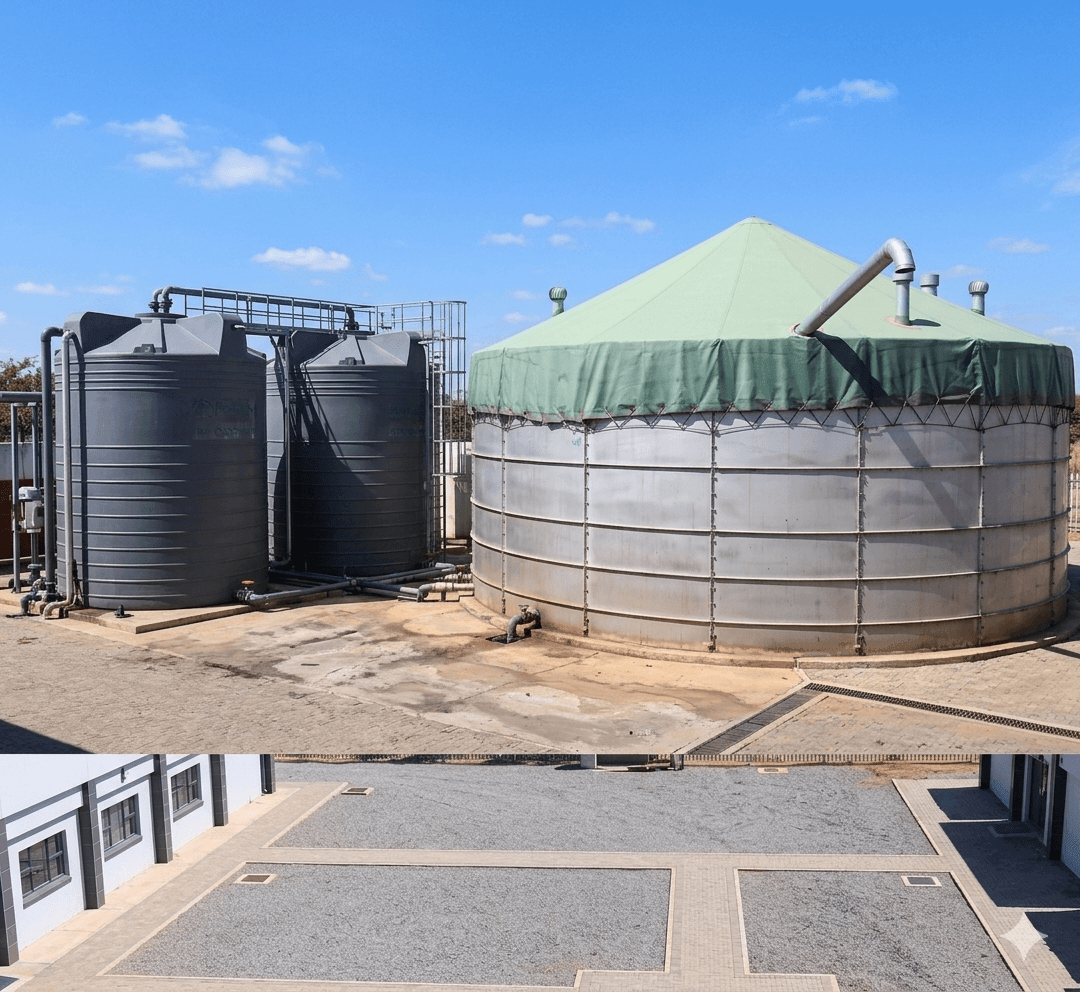
At KGK Botswana, this question led to an important step. In November 2021, it launched a wastewater recycling initiative by implementing a comprehensive Wastewater Treatment Plant.
The plant has the capacity to recycle up to 20,000 litres of wastewater every day. It treats both black water, which comes from toilets, and grey water, which comes from washing and showering.
The plant was introduced as part of KGK’s approach to resource efficiency and operational sustainability. Its main purpose is to treat wastewater generated at the facility and make it suitable for reuse.
What makes this initiative important?
It is important with respect to the practical impact it creates on ground.
Since its commissioning, the plant has successfully treated and recycled 18 million litres of wastewater.
This is a significant achievement in resource management and shows how industrial facilities can take measurable steps to reduce pressure on natural resources.
How is it maintained?
To maintain performance, the plant follows a rigorous maintenance schedule.
Daily checks are carried out for aeration pumps and grease traps.
Bioreactor pumps are monitored weekly.
The clarifier is de-sludged every month, while all components are serviced yearly.
This regular maintenance ensures the plant continues to function efficiently and safely over time.
The system is also designed for reliability.
It can tolerate variable wastewater inflows and continue operating even during power outages. This ensures that wastewater treatment does not remain dependent on perfect operating conditions. It becomes a dependable part of the facility’s daily functioning.
Safety is another key part of the initiative. Strict protocols are followed by all personnel involved in the operation of the plant.
Proper isolation procedures are followed during maintenance, and employees are guided to avoid contact with untreated effluent.
These measures help ensure that the plant is operated responsibly, with equal focus on environmental performance and employee safety.
Role of technology
This initiative also highlights the role of modern technology in addressing environmental challenges.
A well-designed wastewater treatment system can help a facility lower its impact while improving operational resilience. It creates a cycle where water is not used once and forgotten, but treated, recovered and given another purpose.
Real impact with responsible resource management
Water is one of the most valuable resources for any community or business. As industries grow, the need to manage water responsibly becomes even more important.
By treating and recycling wastewater, KGK Botswana is reducing waste, improving resource efficiency and building a more sustainable operating model.
For KGK, this is the real meaning of responsible resource management. It is about understanding that every resource has value.
The KGK Botswana Wastewater Treatment Plant stands as a working example of this belief. With 18 million litres of wastewater already treated and recycled, the initiative shows how consistent action can create measurable environmental impact.
A more sustainable future is not built only through big declarations.
It is built through systems that work quietly, every day, on the ground.